The Rollright Stones have stood for thousands of years, calmly watching over the landscape from a hillside on the Oxfordshire–Warwickshire border. Their origins have long been wrapped in stories and superstition, and they still hold a powerful place in the hearts and imaginations of those who live nearby.
Made from local limestone, the monument is actually three: the Whispering Knights, the King’s Men stone circle and the solitary King Stone. For generations, people have been drawn to them — to gather, celebrate, tell stories, perform rituals and, occasionally, attempt to discover what the future might hold.
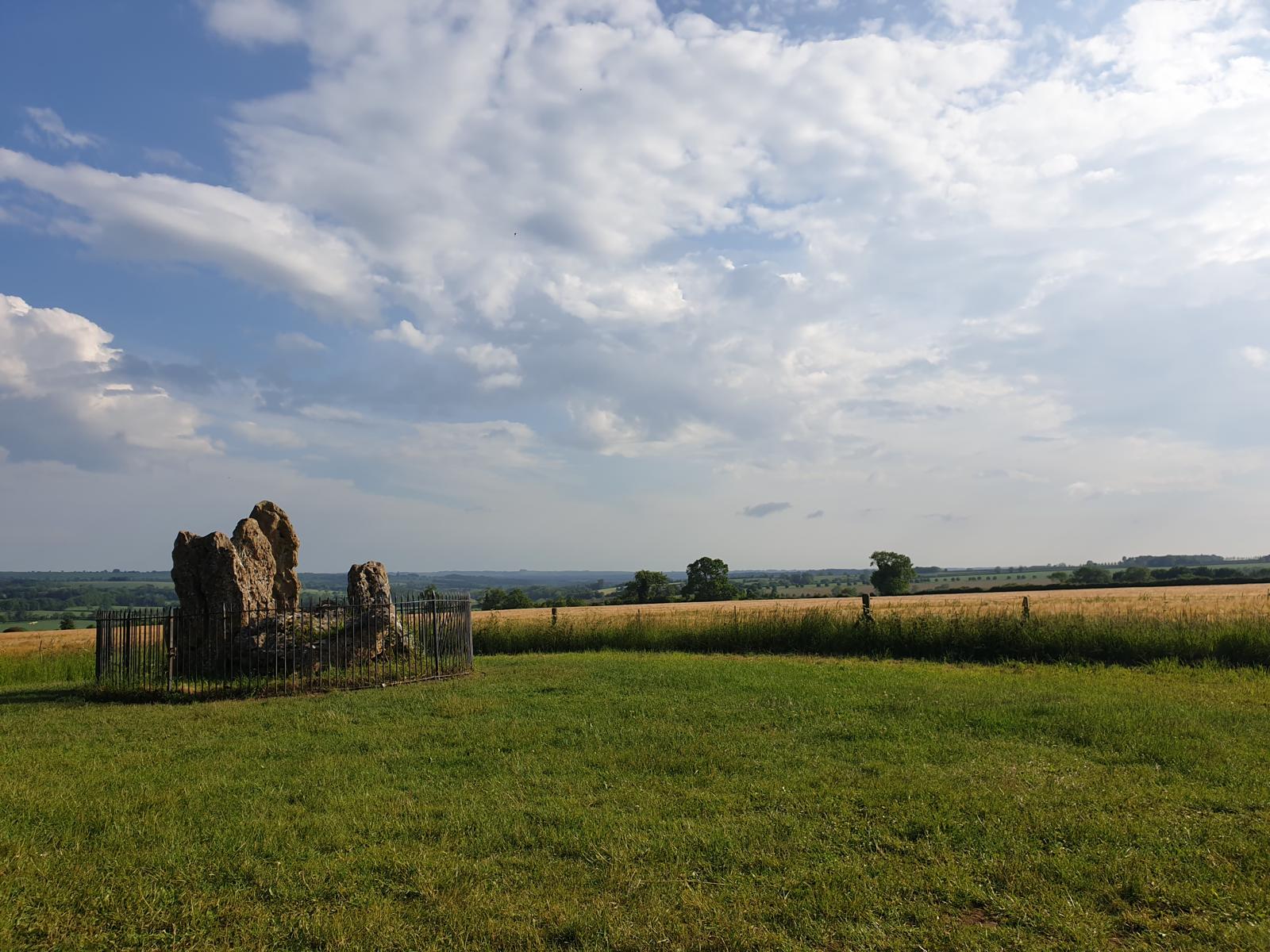
There are many stories the stones can tell, but there is one in particular that interests me.
Away from the lights of the towns, the sky is properly dark and, on a clear night, the Milky Way stretches overhead. The wind moves through the trees and across the long grass. And around the ancient stone circle runs a young woman, naked, hoping to catch a glimpse of the man she will one day marry.
It sounds strange to us now, perhaps, but the future represented by that imagined husband mattered enormously.
For much of history, women had limited control over the things that would determine the course of their lives: whom they married, whether they had children, whether those children survived, whether the household prospered, or what happened to them if it did not.
Women’s history, particularly the history of ordinary women, is often found in places other than conventional historical records. It survives in recipes and remedies, traditions and superstitions; in things spoken rather than written down, and passed from one generation to the next. These are the stories that interest me most.
Marriage could transform a woman’s life for better or worse, yet her choice of husband might be constrained by family, money, class and circumstance. It is perhaps unsurprising, then, that folklore offered so many ways for young women to peer ahead and discover who was waiting for them.
Running around a stone circle on Midsummer Eve was only one.
There were quieter magics too, practised inside homes and gardens: apple peel thrown over a shoulder to reveal a lover’s initial; plants watched overnight for signs of what was to come; dreams deliberately summoned; horseshoes hung over doors; strange protective marks cut quietly into the beams of houses.
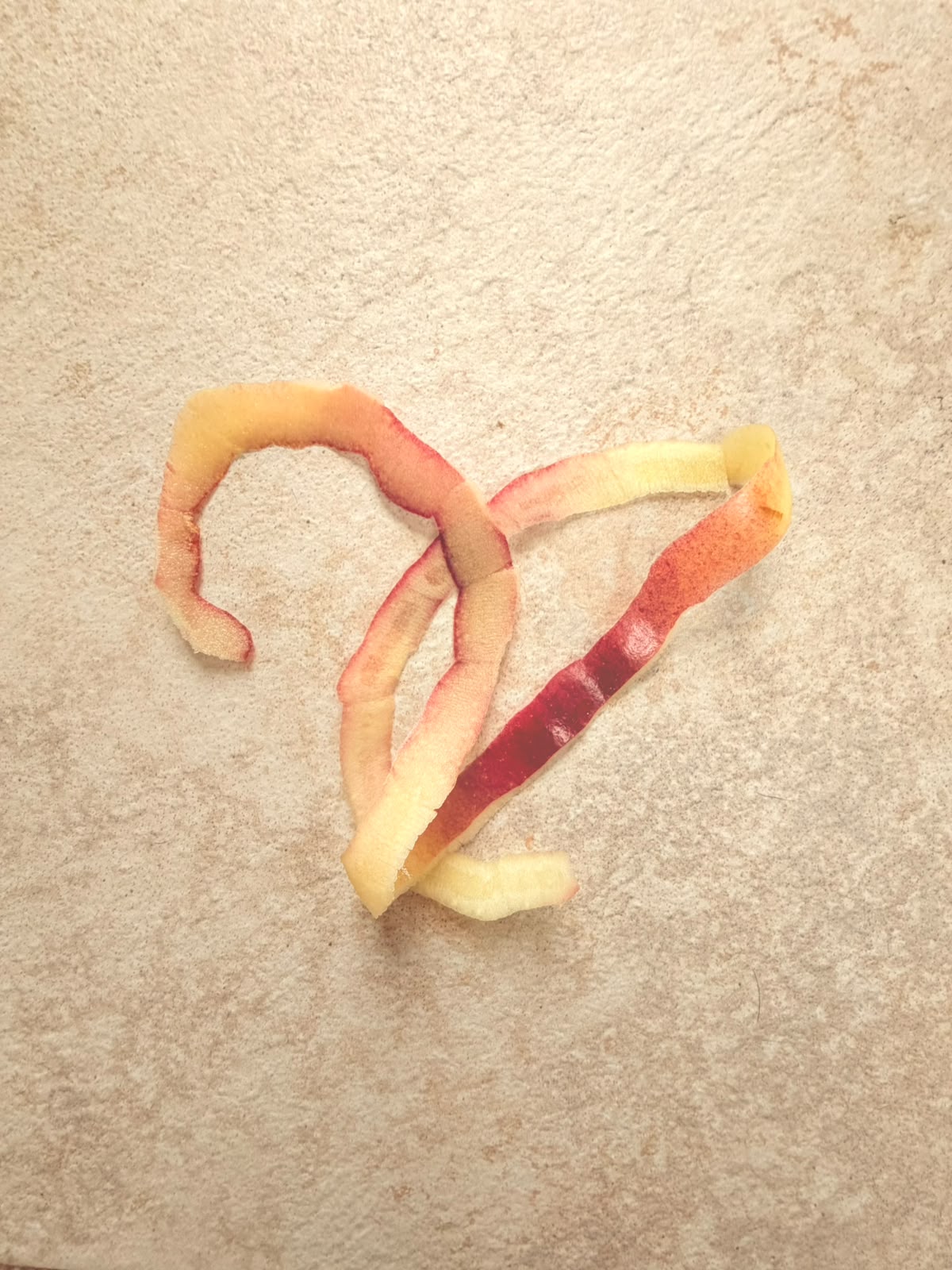
Some of these traditions survived for centuries. Others have disappeared almost completely, their origins lost somewhere between history, superstition and story.
But I like to imagine the women who once performed them.
A girl standing in a darkened kitchen, examining an apple peel on the floor. Another waking and trying desperately to remember the face she saw in a dream. And, somewhere on a Cotswold hillside on the shortest night of the year, a young woman racing barefoot around a circle of ancient stones, hoping that — just for a moment — they might tell her what came next.